


Glass packaging trends 2026
Design, sustainability, and
brand Value in food and beverages
The year 2026 confirms a reality the industry had already been anticipating: glass packaging has evolved from being a mere container into a strategic tool for branding, differentiation, and sustainability. In a context shaped by better-informed consumers, stricter regulations, and intense competition on the shelf, producers and packaging managers are investing in solutions that combine functionality, design, and alignment with brand values.
Below, we analyze the main glass packaging trends for 2026, segmented by packaging type and focused on the B2B food and beverage sector.
Spirits bottles: premiumization and usage control
Design
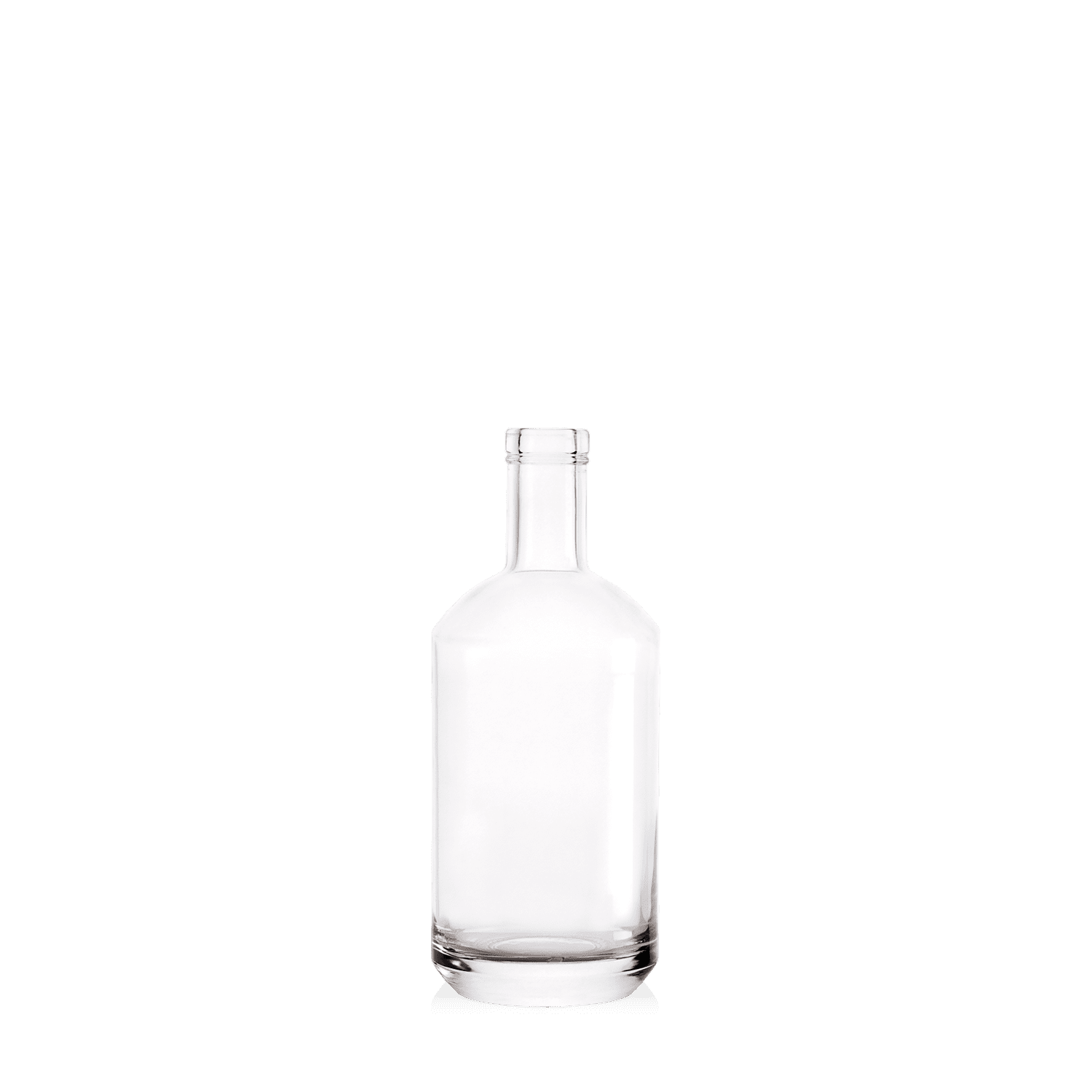
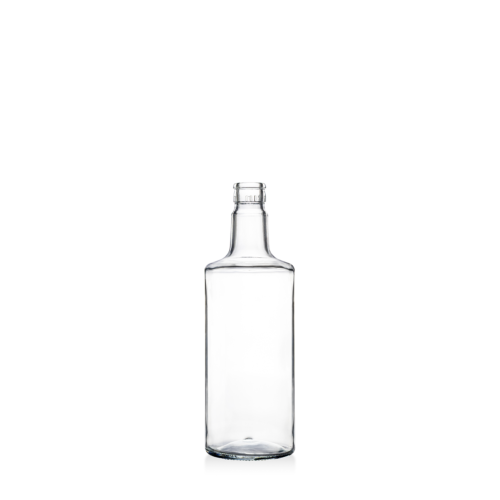
In the spirits and distilled beverages segment, 2026 reinforces the trend toward bottles with a strong sculptural character, defined shoulders, visually robust bases, and clean geometries. After several years in which low-profile bottles dominated, many references gain height in 2026, strengthening shelf presence and enhancing premium perception.
In terms of color, extra-flint glass continues to lead among transparent bottles, although a premium niche is opting for dark tones—amber, deep green, and even black—as a differentiating element and a way to convey elegance and sophistication. This is complemented by a clear move toward personalization, with embossing directly on the glass that adds identity, exclusivity, and added value to the packaging.
Decoration and personalization
Direct screen printing on glass is gaining ground over traditional labels. Matte inks, embossing, and minimalist designs are increasingly prevalent.
Functionality and sustainability
Non-refillable closures remain a key element in the horeca channel, where product security and control are essential. At the same time, the use of premium reusable stoppers is growing in retail and supermarket channels. In both cases, weight reduction without compromising perceived quality has become a strategic priority.
Market requirements
Consumers value authenticity, origin, and product traceability.
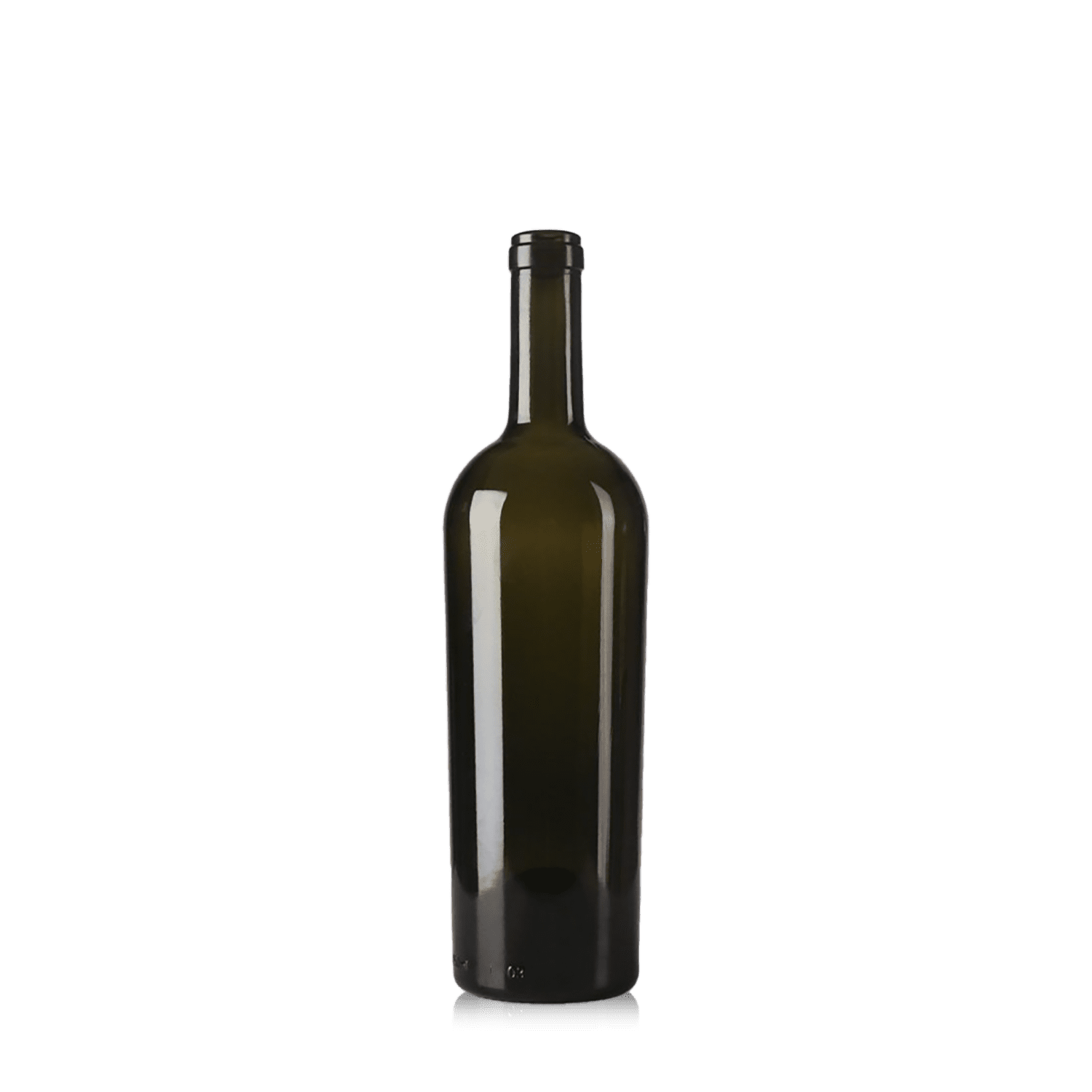
Wine bottles: lightweighting, differentation and regulation
Design
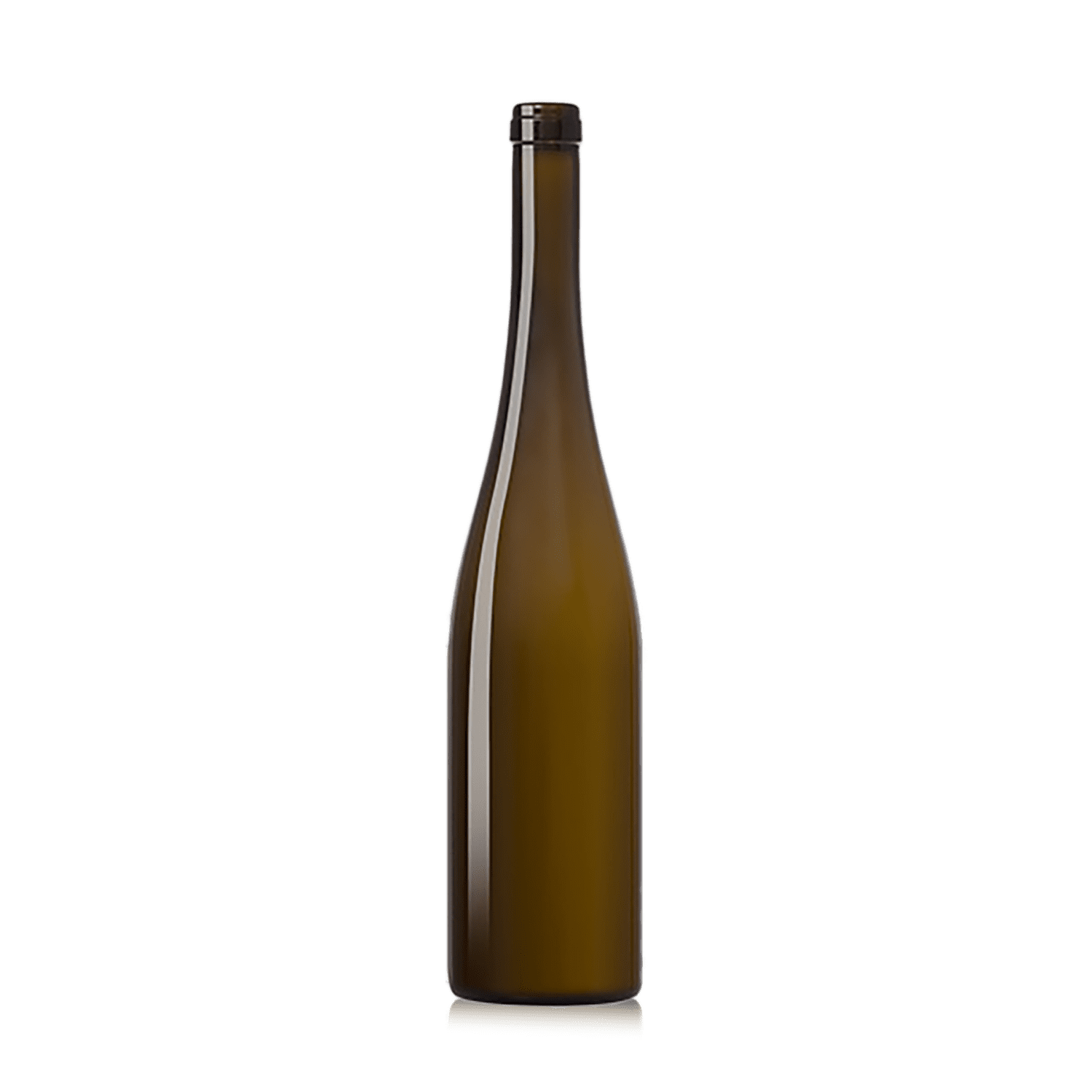
Lightweight bottles are becoming the standard, driven by European regulations and logistics optimization. Although the wine sector has not traditionally been particularly inclined toward personalization, there is now a clear increase in this type of solution. Embossing on wine bottles—on the front, neck, or base—is increasingly common.
Decoration and personalization
Regarding decoration, most wine brands continue to favor highly premium labels with bold and innovative proposals. Nevertheless, a small segment of the market chooses to combine direct screen printing on the glass with labels.
Functionality and sustainability
There is growing use of pilfer-proof closures in the wine sector, driven by the need to adapt to other markets and new consumption habits.
Olive oil bottles: protection and gourmet positioning
Design
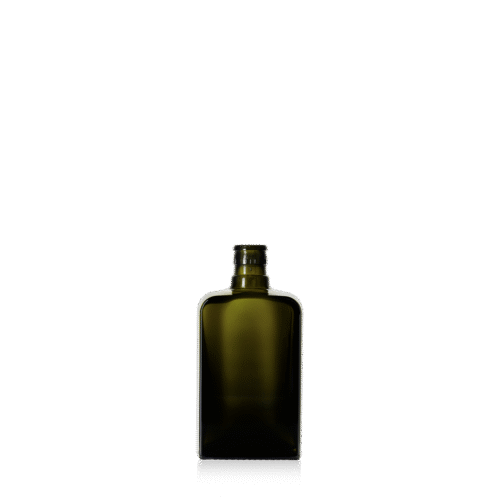
In recent years, the olive oil sector has experienced a true design boom, breaking away from traditional codes and embracing increasingly creative proposals. In 2026, trends point toward highly customized bottles that become a key element of differentiation and brand positioning.
Regarding glass color, very dark green glass is particularly valued.
Decoration and personalization
In terms of finishes, combining multiple techniques is almost essential in the olive oil sector. Painting, screen printing, and stamping are used together by nearly all premium brands.
Functionality and sustainability
Non-refillable caps are the standard, along with bottles optimized for weight.
Consumer requirements
High expectations regarding quality, origin, and sustainability.
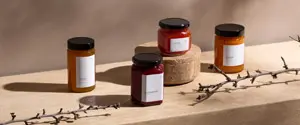
Glass jars for food: versatility and transparency
Design
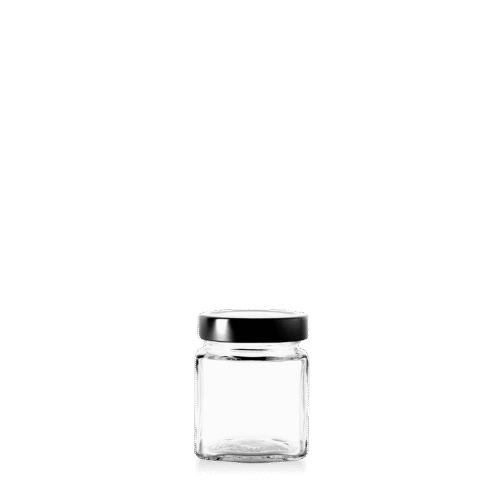
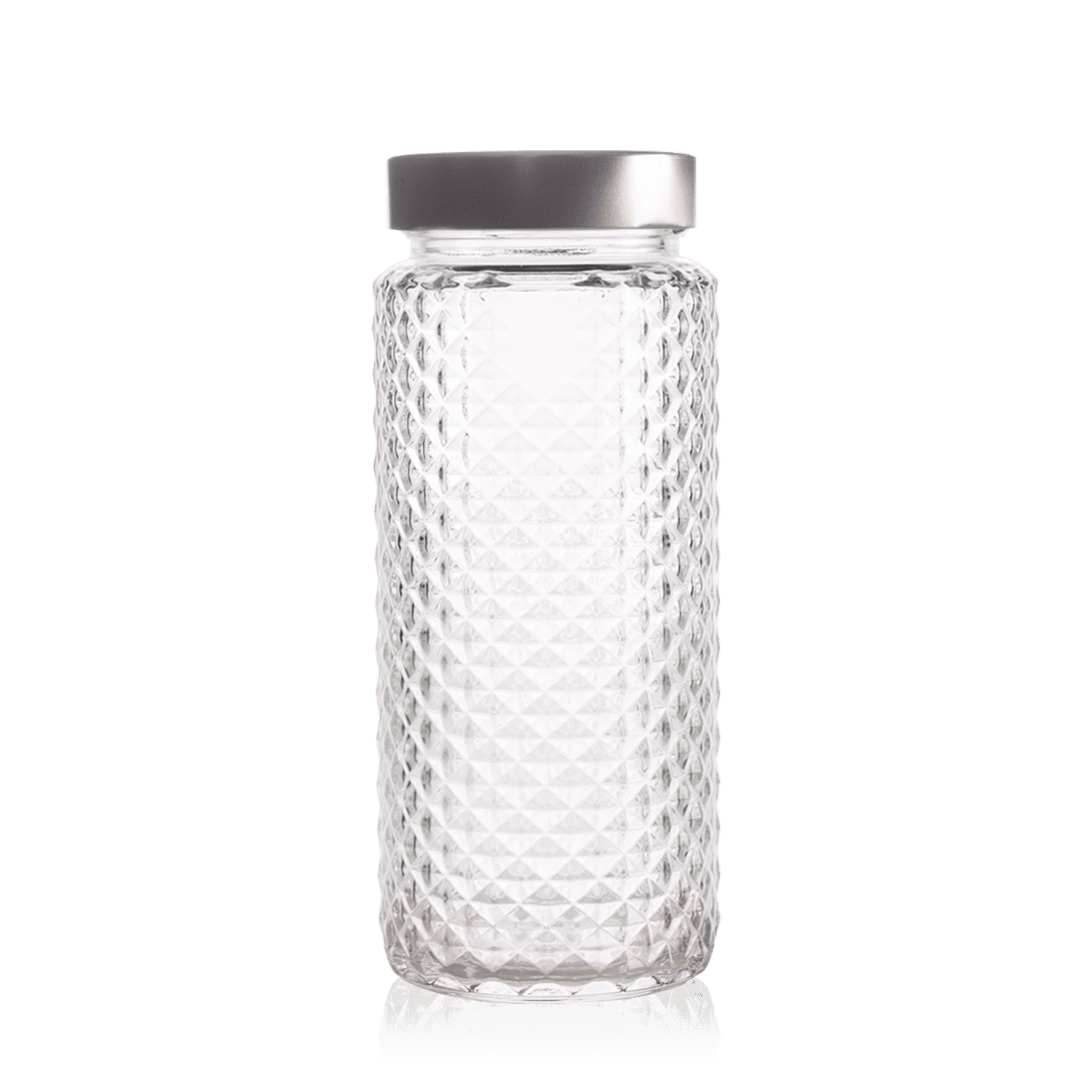
In 2026, a clear trend toward differentiation is consolidated, with a search for more exclusive and distinctive jars. Personalized designs stand out, as well as the use of custom lids or lids in colors that have been uncommon until now, adding uniqueness and reinforcing brand positioning.
Decoration y personalization
Combination of labels with decorated lids or direct printing on the glass.
Functionality and sustainability
Glass as an inert material, with optimized metal closures.
Market requirements
The market places particular value on packaging transparency, which allows direct product visibility and reinforces perceptions of quality and trust at the point of purchase.
Glass packaging trends for 2026 confirm that design, functionality, and sustainability are key differentiators. Glass packaging is firmly established as a competitive advantage.
At Vitroval, we support brands in selecting the most suitable glass packaging, providing technical expertise and market insight.
Discover our range of glass packaging or contact our team for personalized advice.